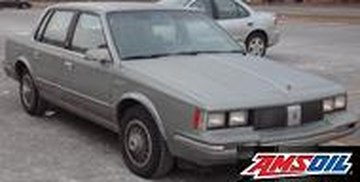
Engine Lubrication Care for the 1982 Oldsmobile CUTLASS 3.8L
Maintaining a vehicle from the early 1980s requires a transition from purely reactive repairs to a more proactive approach to component health. For the 1982 Oldsmobile CUTLASS equipped with the 3.8L engine, consistent attention to lubrication and fluid integrity is a fundamental aspect of long-term ownership. Because mechanical components age at different rates depending on usage and environmental exposure, establishing a clear understanding of your engine's current state is essential for effective maintenance.
Monitoring Fluid Integrity and Potential Seepage
One of the most practical ways to monitor the health of an aging engine is through regular visual inspections of the lubrication system. Rather than waiting for a significant drop in fluid levels, owners should look for early signs of seepage or weeping around various sealing surfaces. Over time, gaskets and seals can lose their ability to maintain a perfect barrier against pressure.
When performing routine checks, examine the area surrounding the engine block and any accessible covers for evidence of oily residue. It is important to note that a small amount of surface film may be present on older engines, but any active dripping or heavy accumulation warrants closer investigation. If you notice fresh fluid appearing in areas that were previously clean, this can indicate that a seal or gasket is beginning to degrade. Identifying these changes early allows for more controlled maintenance decisions rather than dealing with sudden, unexpected issues.
Additionally, keep an eye on the appearance of the lubricant itself. While some discoloration is expected as oil undergoes its service life, extreme changes in texture or a strong, unusual odor can be indicators of contamination or thermal stress. If the fluid appears excessively dark or contains visible particulates, it may suggest that the lubrication is no longer performing its intended role effectively.
Managing Maintenance Records and Baselines
For many owners of a 1982 Oldsmobile CUTLASS, the vehicle's service history may not be fully documented. When this is the case, the first priority should be establishing a maintenance baseline. This involves performing a thorough inspection of all current fluids and components to determine their actual condition rather than relying on assumptions about how the vehicle was treated in the past.
Once you have assessed the current state of the engine, begin keeping a detailed log of every service performed. Documenting the dates, mileage, and specific products used—such as the type of oil or filter installed—provides an invaluable resource for future decision-making. A well-maintained record helps you distinguish between routine service requirements and new developments that might require professional attention. For example, if you notice a slight increase in lubricant consumption over several months, having a history of previous fill levels can help you determine if this is a gradual change or a sudden occurrence.
Prioritizing maintenance based on current condition rather than just the age of the vehicle is often more effective. An engine that has been driven sparingly may have different needs regarding seal conditioning compared to an engine that has seen heavy, consistent use. By focusing on what the vehicle actually requires right now, you can allocate your maintenance efforts more efficiently.
Observing Changes in Engine Operation
Beyond visual inspections, paying attention to how the 3.8L engine behaves during operation can provide significant clues regarding its lubrication needs. While many mechanical issues present themselves through obvious noises or lights, subtle changes are often the first indicators of a shifting maintenance requirement.
If you notice any unusual sounds during startup or while the engine is idling, it should be investigated. Such sounds can be associated with various factors, including the condition of the lubricant or the state of moving parts. Similarly, if the vehicle's performance feels different—perhaps through a change in smoothness or responsiveness—it may be worth checking all fluid levels and their respective conditions.
It is also useful to monitor any changes in exhaust characteristics. While certain colors of smoke can be associated with various internal engine processes, any new or persistent change in what exits the tailpipe should be treated as a signal to inspect the engine more closely. Always remember that a single symptom, such as an odor or a sound, can have multiple potential causes; therefore, these observations should be used as starting points for further investigation rather than definitive diagnoses.
Inspecting Auxiliary Components and Hoses
A comprehensive approach to engine care includes looking beyond the lubrication system itself. If equipped, accessible drive belts should be inspected regularly for signs of wear such as cracking, glazing, or fraying. These components are vital for the operation of various engine accessories, and their condition can impact the overall reliability of the vehicle.
Similarly, if the engine is equipped with various rubber hoses, these should be checked for signs of hardening, swelling, or brittleness. Aging rubber can become prone to leaks or even failure under pressure. Checking these components during an oil service is a highly efficient way to ensure that you are not overlooking other critical parts of the engine compartment. By integrating these checks into your routine, you move from a mindset of "fixing what is broken" to one of "maintaining what is working."
Practical Steps for Long-Term Engine Health
To ensure the longevity of your 1982 Oldsmobile CUTLASS, focus on consistency. The most effective way to prevent significant mechanical issues is to avoid letting maintenance tasks become overdue. This does not necessarily mean following a rigid calendar, but rather staying attuned to the vehicle's specific needs as they arise.
If you are working with an engine that has high mileage, you might consider looking into formulations designed for aging engines. Some high-mileage oil formulations contain additives intended to assist with seal conditioning, which may be beneficial if you have observed minor seepage in the past. However, these should be used as part of a broader maintenance strategy that includes regular inspections and documented service history.
Ultimately, the goal is to maintain a stable operating environment for the 3.8L engine. This involves ensuring that the lubricant is clean, at the correct level, and appropriate for the application. By combining careful observation with disciplined record-keeping, you can manage the unique requirements of a classic vehicle with confidence.
Buying Engine Oil for your 1982 Oldsmobile CUTLASS 3.8L
When it is time to replenish your engine's lubrication, the most important step is to ensure that the product you select matches the specific requirements of your application. Do not rely on general automotive knowledge or assumptions based on the vehicle's age to choose a lubricant. Instead, match the engine oil to the application-specific viscosity information already displayed on this webpage.
Before making a purchase, carefully check the product labeling to verify that the oil meets the appropriate quality standards and certifications. You may choose between conventional, synthetic blend, or full synthetic oils depending on your preference and the specific needs of your engine, but always prioritize the viscosity and specifications listed in your vehicle's application data. By following the guidance provided in the technical information above, you can ensure that you are providing the correct level of protection for your 3.8L engine.